(608) 305-4810
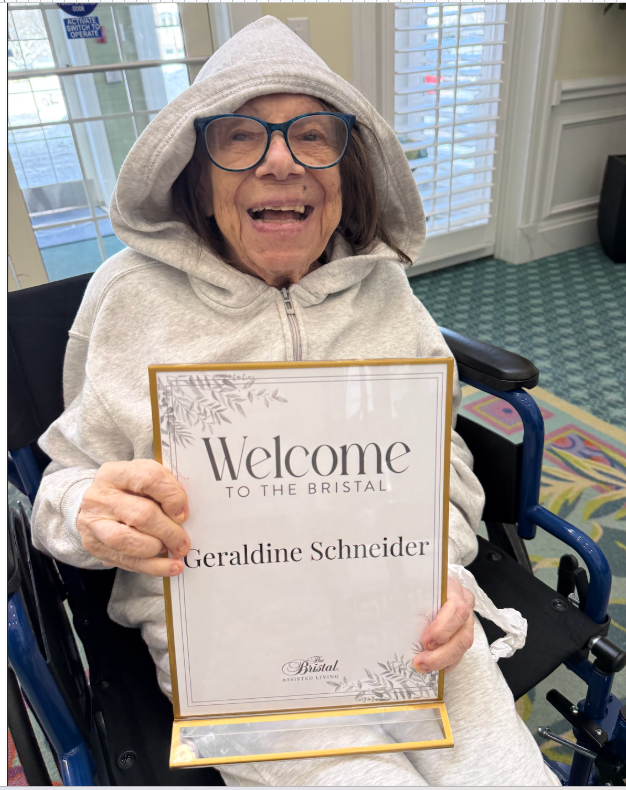
My 93 year old Grandmother is an Athlete and so are you!
In a recent team meeting, Dr. Kari said something that genuinely stopped me in my tracks. That’s not unusual—she’s one of my biggest mentors, and a lot of what she says has shaped how I think about health, movement, and what we’re actually working toward. But this one stuck in a different way. She said:
“If you have a body and you are training for something—you are an athlete. Even if what you’re training for is to be 75.”
Read that again.
Not “if you run marathons.”
Not “if you lift heavy.”
Not “if you look a certain way.”
If you have a body—and you are preparing it to keep doing what you want it to do—you are an athlete.
This year, my 93-year-old grandmother moved out of the apartment she had lived in alone for over 50 years and into an assisted living facility. The move came after a series of falls that started to feel less like flukes and more like a pattern we couldn’t ignore. It was hard. For her, for our family, for everyone who knows her as fiercely independent.
Because aside from that stretch, my Gigi is the picture of health. She doesn’t take a single pill. She’s sharp, stubborn, and deeply herself. A lifelong Brooklynite who’s been holding her own since 1982. And here’s the thing: she didn’t stay that way by accident.
She may not have called it “training,” but for decades, she practiced the things that kept her independent—walking everywhere, carrying her groceries, getting up and down off the floor, navigating stairs, living her life without outsourcing movement. She was building capacity without ever stepping foot in a gym. That is training. And that’s exactly why this idea of “everyone is an athlete” matters so much.
We tend to think of training as something optional—something reserved for a phase of life, a fitness goal, or a specific type of person. But the truth is, you are always training for something.
You’re training for:
- Getting up off the ground without help
- Carrying your kid, your dog, or your groceries
- Traveling without limitations
- Recovering from a misstep instead of falling
- Staying independent for as long as possible
Or, on the flip side, you’re training out of those things. There is no neutral.
Strength training, mobility work, balance—these aren’t just “fitness” categories. They’re tools. They’re the physical insurance policies that allow you to keep showing up for your life on your terms. And the earlier you start thinking about yourself as someone who is training for your future, the more options you give yourself later.
That doesn’t mean you need to train like a professional athlete. It means you need to train with intention. It might look like:
- Picking up weights so your bones and muscles stay resilient
- Practicing single-leg balance so you can catch yourself if you trip
- Getting up from the floor without using your hands
- Building enough strength to carry things without thinking twice
It’s not flashy. But it’s powerful.
When I think about my grandmother now, I don’t just see someone who lived independently for decades. I see someone who, in her own way, trained for that independence every single day.
And I also see what happens when that capacity starts to slip—how quickly the margins narrow, how important it becomes to have a buffer of strength, balance, and confidence to fall back on.
That’s what we’re building when we train. Not just stronger muscles—but more options.
So if you’ve ever felt like you’re “not athletic,” I want you to challenge that.
If you have a body—and you care about what it will be able to do for you in 10, 20, 50 years—you are an athlete. The question isn’t if you’re training. It’s what you’re training for.
-Mariel, Client Care Coordinator
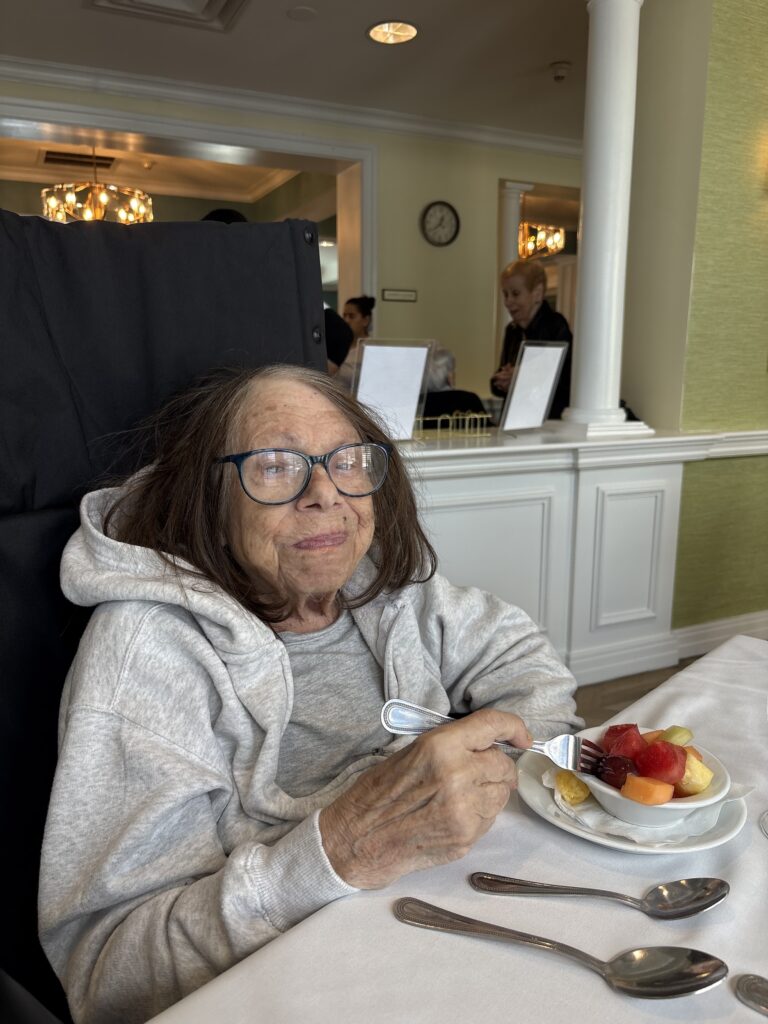
Remember to eat your fruits and veggies!!!