(608) 305-4810

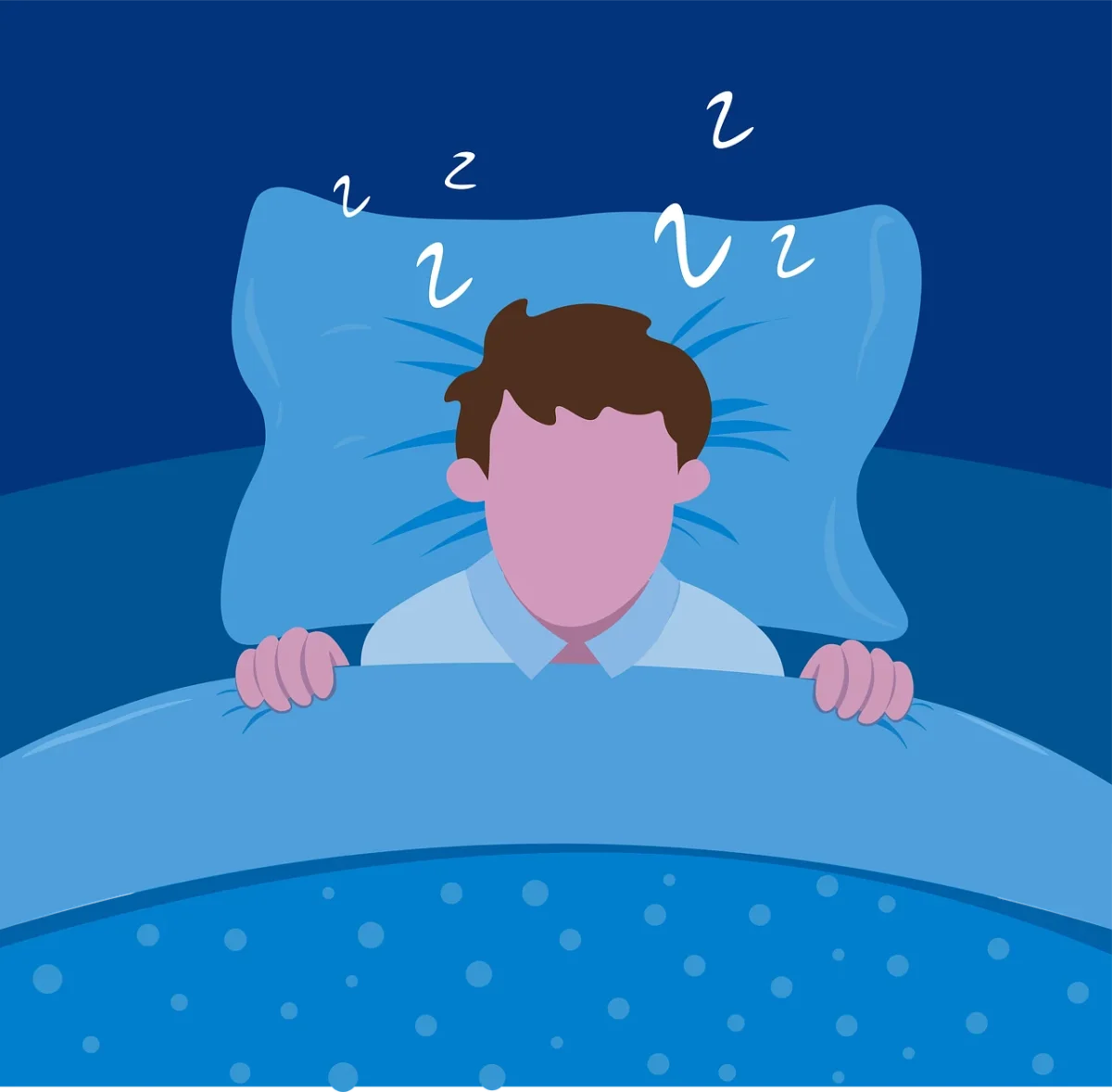
Sleep: our most abused tool to good health
Sometimes, getting less sleep is simply a reality of the season of life you’re in. A new baby, demanding work schedule, illness, or other responsibilities can make adequate sleep difficult. But when sleep is sacrificed because of habits we can control like staying up for the new episode drop on Netflix, doom scrolling social media late into the night, or choosing to stay out late multiple nights a week, many of us have room for improvement.
Most people understand that sleep is important for energy, mental clarity, memory, and overall performance. But what about that nagging injury that’s been lingering since April? Or the fitness goals that seem harder to reach than they should be? The quality and quantity of your sleep may be playing a much larger role than you realize.
When we consistently fall short on sleep, we miss out on several critical biological processes that occur during the night. These processes help regulate inflammation, repair damaged tissues, restore muscles, balance hormones, and ultimately support healing and recovery. Let’s take a closer look at five key ways sleep helps your body recover and why getting enough of it may be one of the most important things you can do for your health.
- Improve tissue repair: Most growth hormone is released during deep sleep. This is particularly important after injuries involving tendons, muscles, ligaments, bones, and connective tissue. The largest surge typically occurs within the first few hours after falling asleep, especially during the first cycle of deep sleep. When sleep is shortened, interrupted, or poor in quality, the amount of growth hormone released can be significantly reduced. Growth hormone signals cells throughout the body to begin repairing damaged tissue.
- Reduce inflammation: During sleep, the immune system shifts into a restorative mode. The body produces and regulates signaling molecules called cytokines, which help coordinate the inflammatory response. Quality sleep helps ensure that inflammation occurs when and where it is needed, while preventing it from becoming excessive. In other words, sleep helps the body move efficiently through the normal stages of recovery rather than getting “stuck” in a prolonged inflammatory state.
- Improve pain tolerance: Adequate sleep can increase pain tolerance and reduce pain sensitivity. Many people notice that aches and pains feel worse after a poor night’s sleep.
- Muscle Recovery: One of the primary ways sleep supports muscle recovery is by increasing protein synthesis, the process by which the body builds new proteins to repair and strengthen muscle tissue. During sleep, damaged muscle fibers are repaired, new muscle proteins are produced, and muscle tissue becomes stronger and more resistant to future stress. Without sufficient sleep, the body becomes less efficient at building and repairing muscle proteins, which can slow recovery and limit progress.
- Improved hormonal balance: Throughout the day and night, hormone levels naturally fluctuate according to the body’s circadian rhythm. Quality sleep helps synchronize these hormonal cycles, ensuring that recovery-promoting hormones are released at the right times and in appropriate amounts. When sleep is disrupted, this carefully orchestrated system can become imbalanced, potentially slowing healing and affecting overall health.
I mean. WOW. While we’re asleep, our bodies are hard at work, putting in a full night shift to repair, restore, and prepare us for the next day.
And while recovery tools like stretching, cold plunges, sauna sessions, massage, physical therapy, and nutrition all have their place, none of them can fully replace the powerful recovery processes that occur during sleep. Sleep is the foundation that allows us to reach new heights and crush goals. Now it’s easy to just say “put the phone down a little earlier at night”, but here are some ways to improve the quality of sleep if you aren’t doing it already.
- Dark & Cold- Blackout curtains, no sleeping with the TV on and a room near 60 degrees is best based on our most current research.
- Caffeine- Stop caffeine intake 6 hours before bedtime
- Habitual- our bodies do like a schedule, so trying to stay within 60 min each morning and night, even on the weekends can help our body find a rhythm in routine.
- Sunlight- Getting outside first thing in the morning sets our body on a natural rhythm with the sun and helps us wake up. Almost like free caffeine!
- Food- your last meal should be 2-3 hours before bed
- Activity- regular activity makes the body tired, try to avoid working out 2-3 hours before bed
Now let’s all get out there and get to bed! Goodnight!
~ Dr. Amanda, PT , DPT